Things to Do in Tirana | Bunkers, Pyramids, and Chaotic Charm
Contents[hide]
Skanderbeg Square
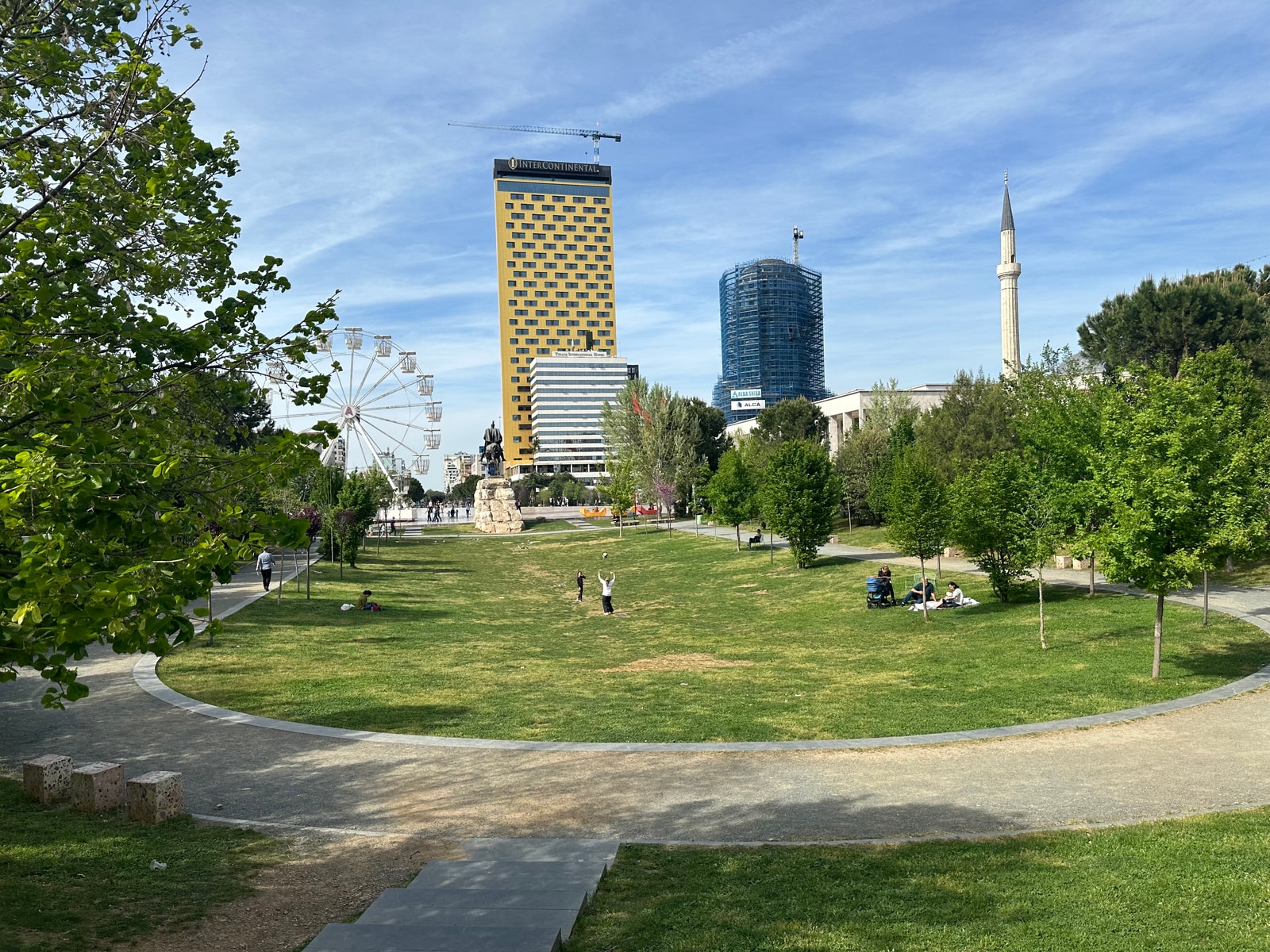
The airport shuttle terminates near Skanderbeg Square, making it the perfect starting point for a full-day itinerary. The square is named after Albania's national hero, Gjergj Kastrioti Skënderbeu. In the 15th century, he united and led Albanian clans to resist the Ottoman invasion for over two decades, cementing his place as the country's ultimate historical symbol. At the heart of the square stands his equestrian statue, instantly recognizable by the distinct goat horns atop his helmet.
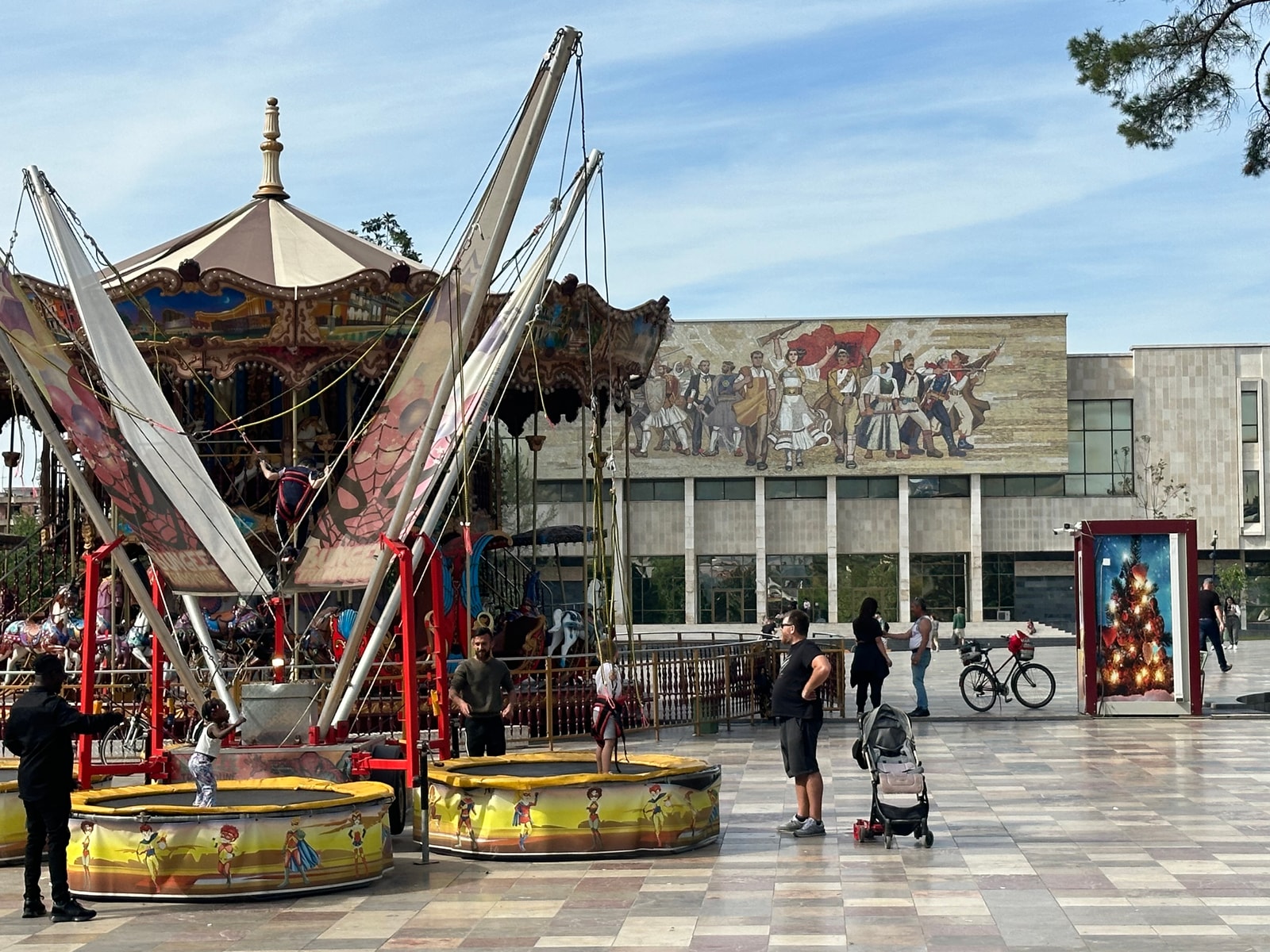
Skanderbeg Square feels like an open-air timeline of Albanian history.The square itself is vast, framed by a striking architectural timeline:
- Et'hem Bey Mosque – An elegant Ottoman-era landmark, completed in 1821.
- The Clock Tower – Rising beside the mosque as one of Tirana's enduring symbols.
- Italian-era Buildings – Examples of Rationalist architecture dating back to the 1930s, when Albania was under Italian influence.
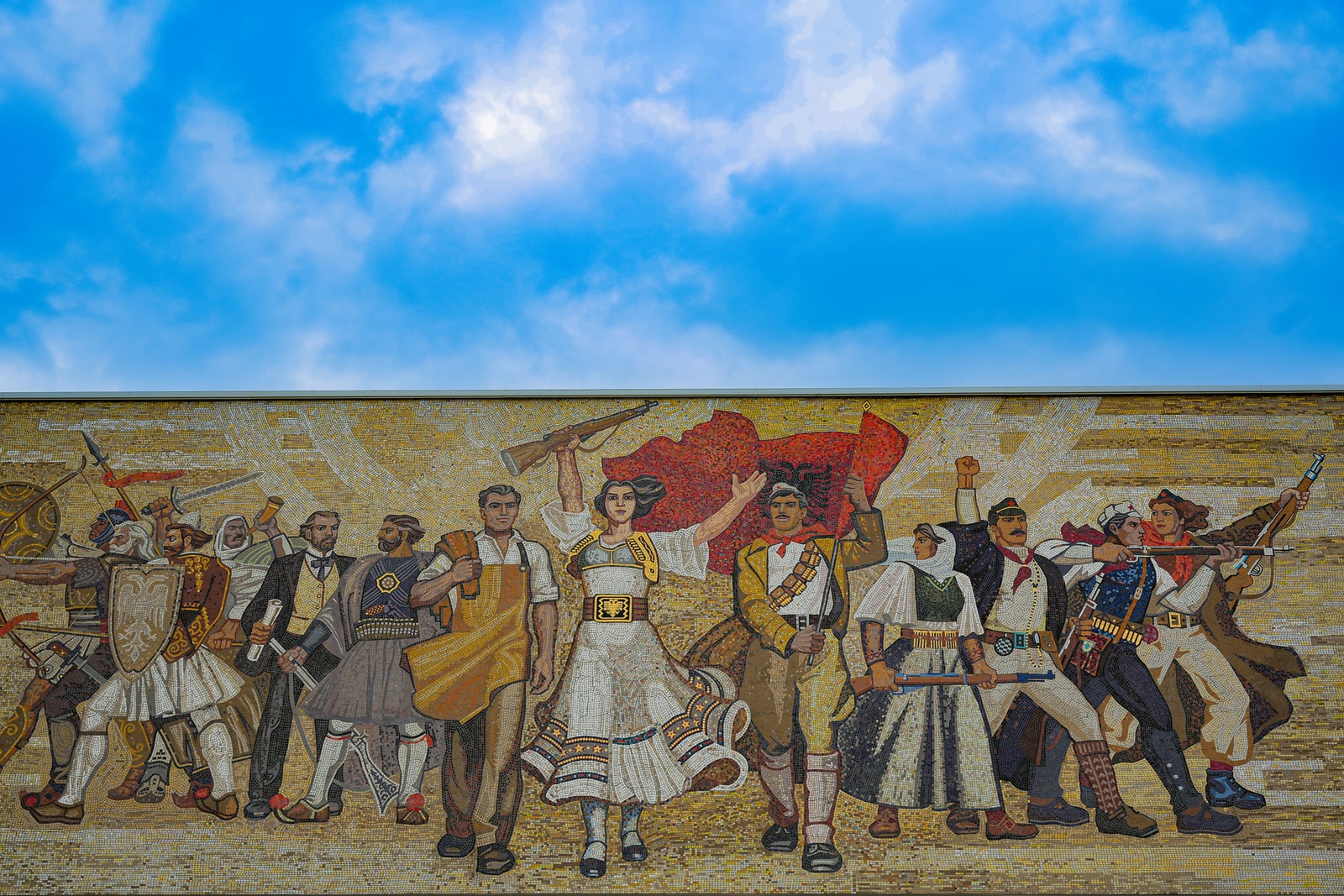
- The National History Museum – Best known for its monumental communist-era mosaic, The Albanians.
- Government Buildings – Reflecting the monumental style and political legacy of the communist period.
- Modern Developments – Contemporary additions that showcase Tirana's rapid urban transformation in the post-communist era.
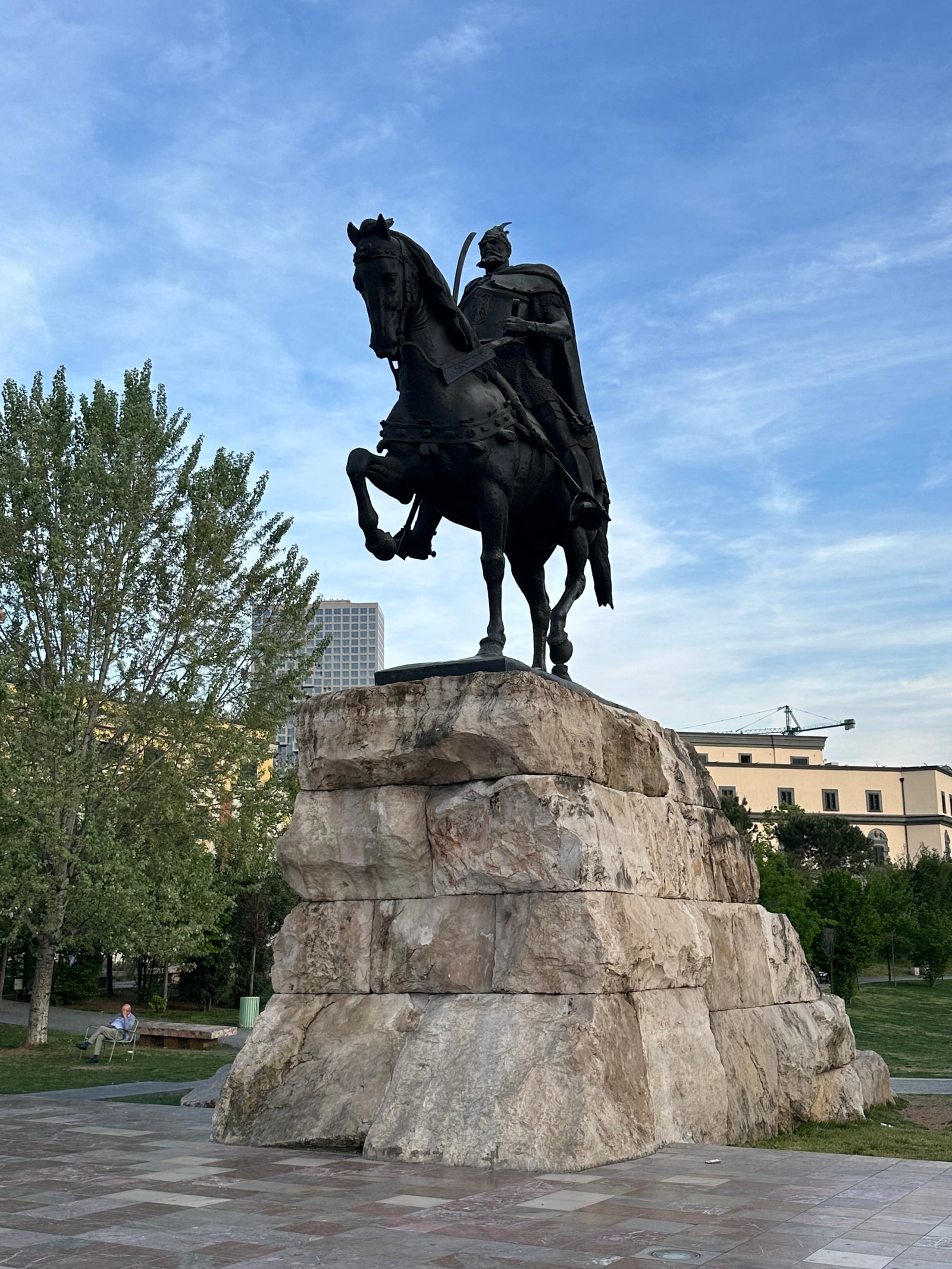
Skanderbeg statue
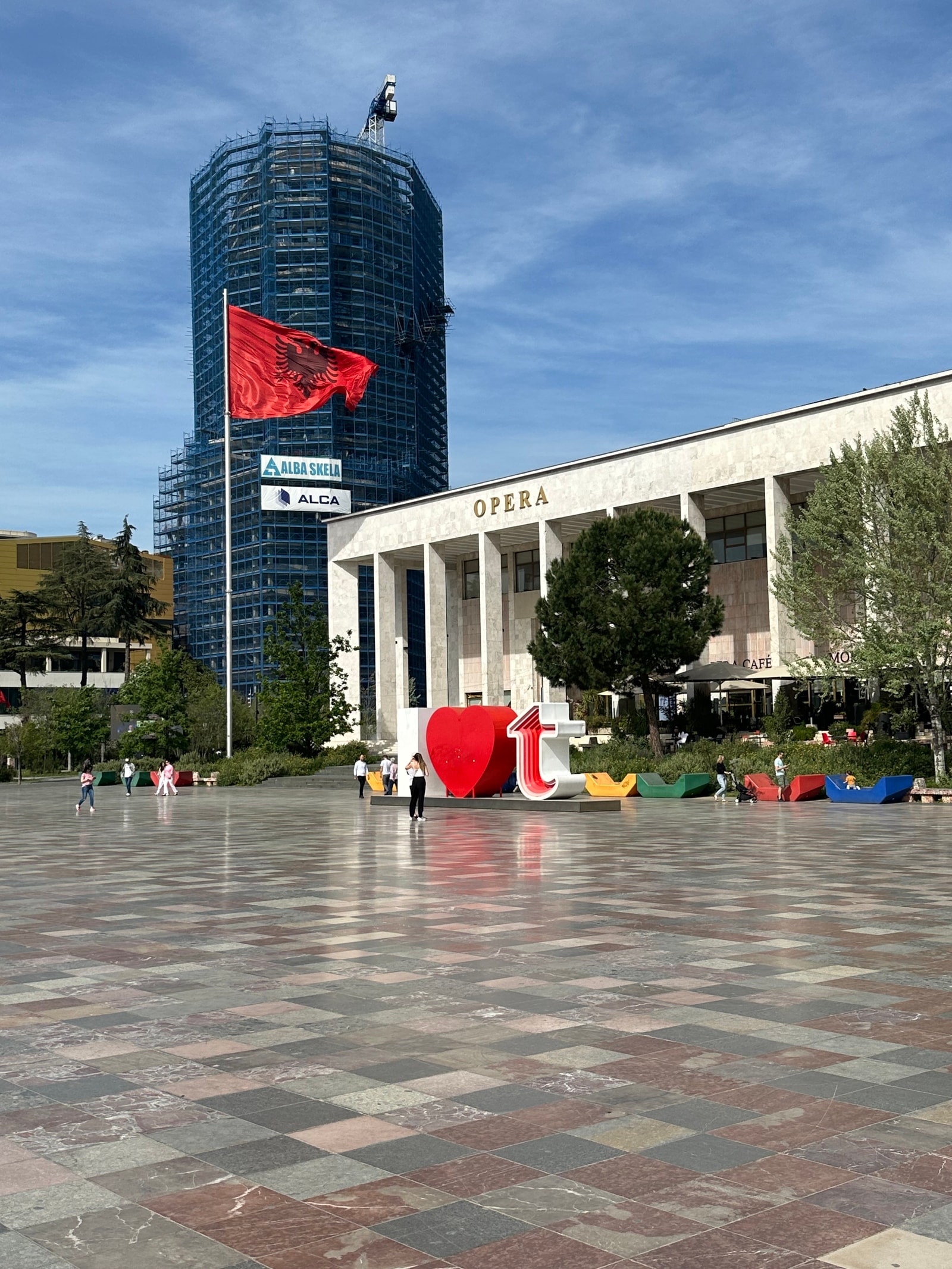
Opera
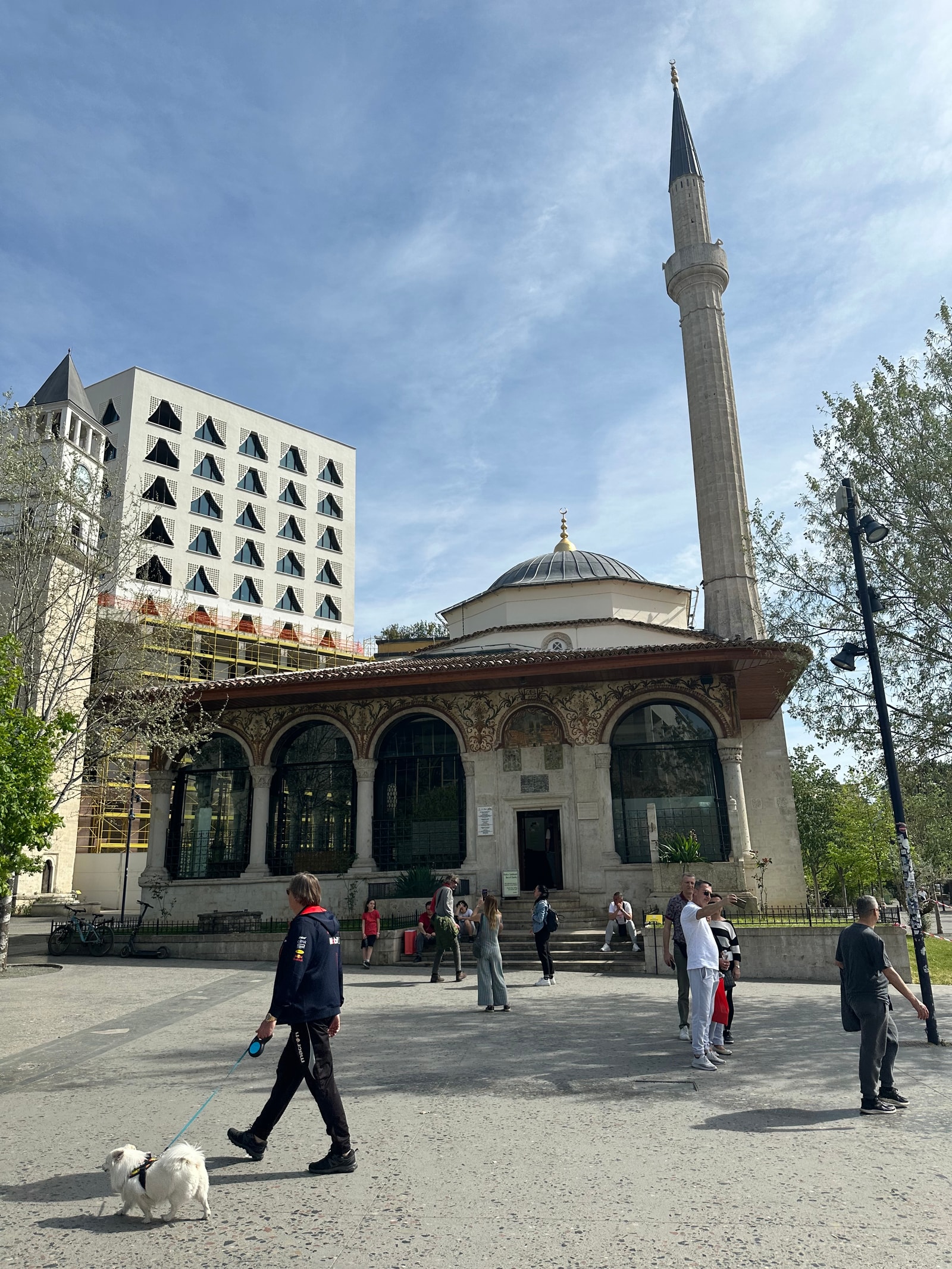
Et'hem Bey Mosque
Today, the expansive concrete plaza is scattered with cafes, small playgrounds, and lively food stalls. Bustling with foot traffic, it is a space where deep historical gravity seamlessly blends with the vibrant, modern energy of the city.
Bunk'Art 2
A few minutes' walk south from the square, right next to the Ministry of Internal Affairs, a gray concrete dome emerges from the ground. This serves as the entrance to Bunk'Art 2.
Entry Fee:700 lek Time Needed:1 to 2 hours
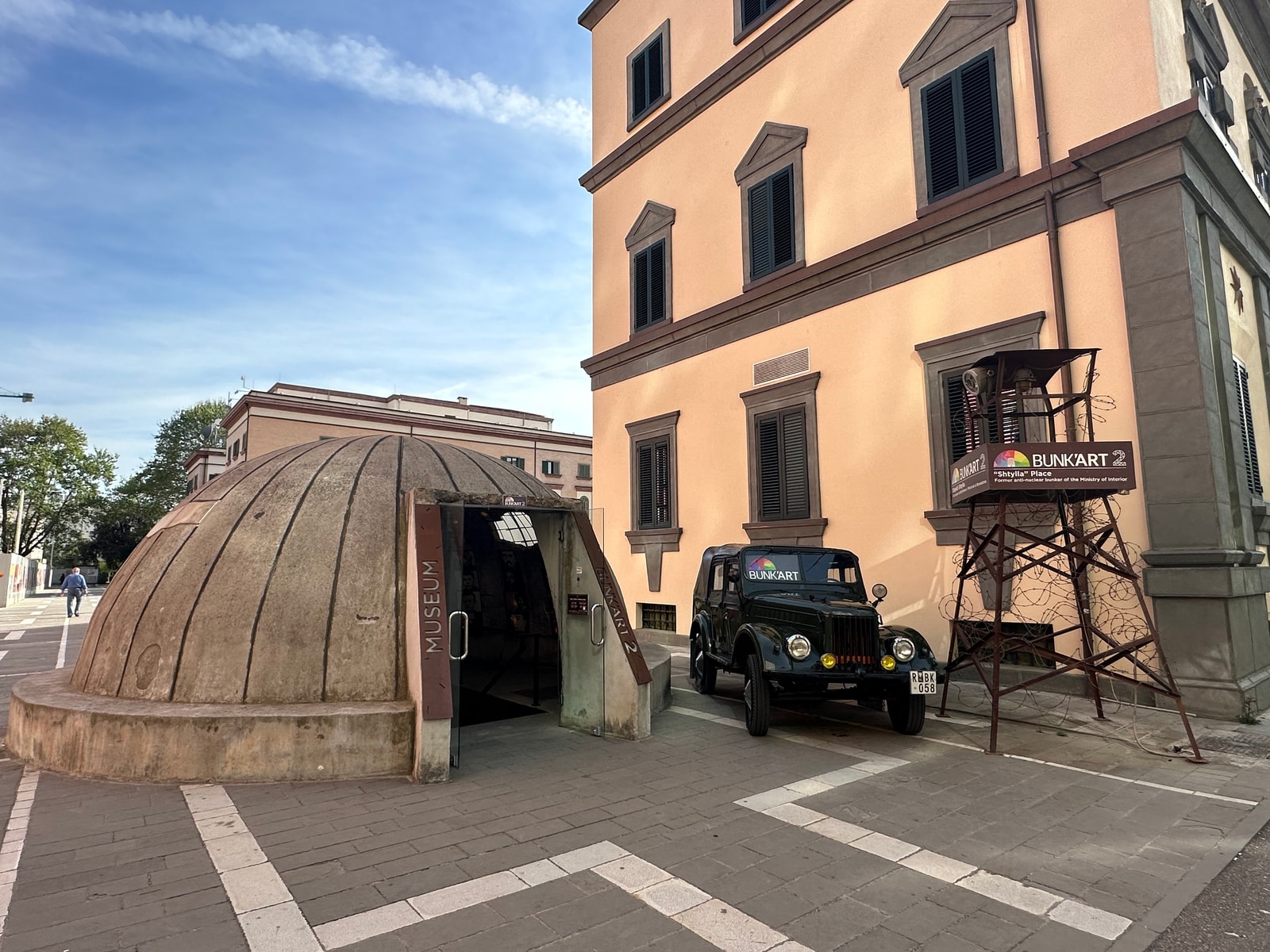
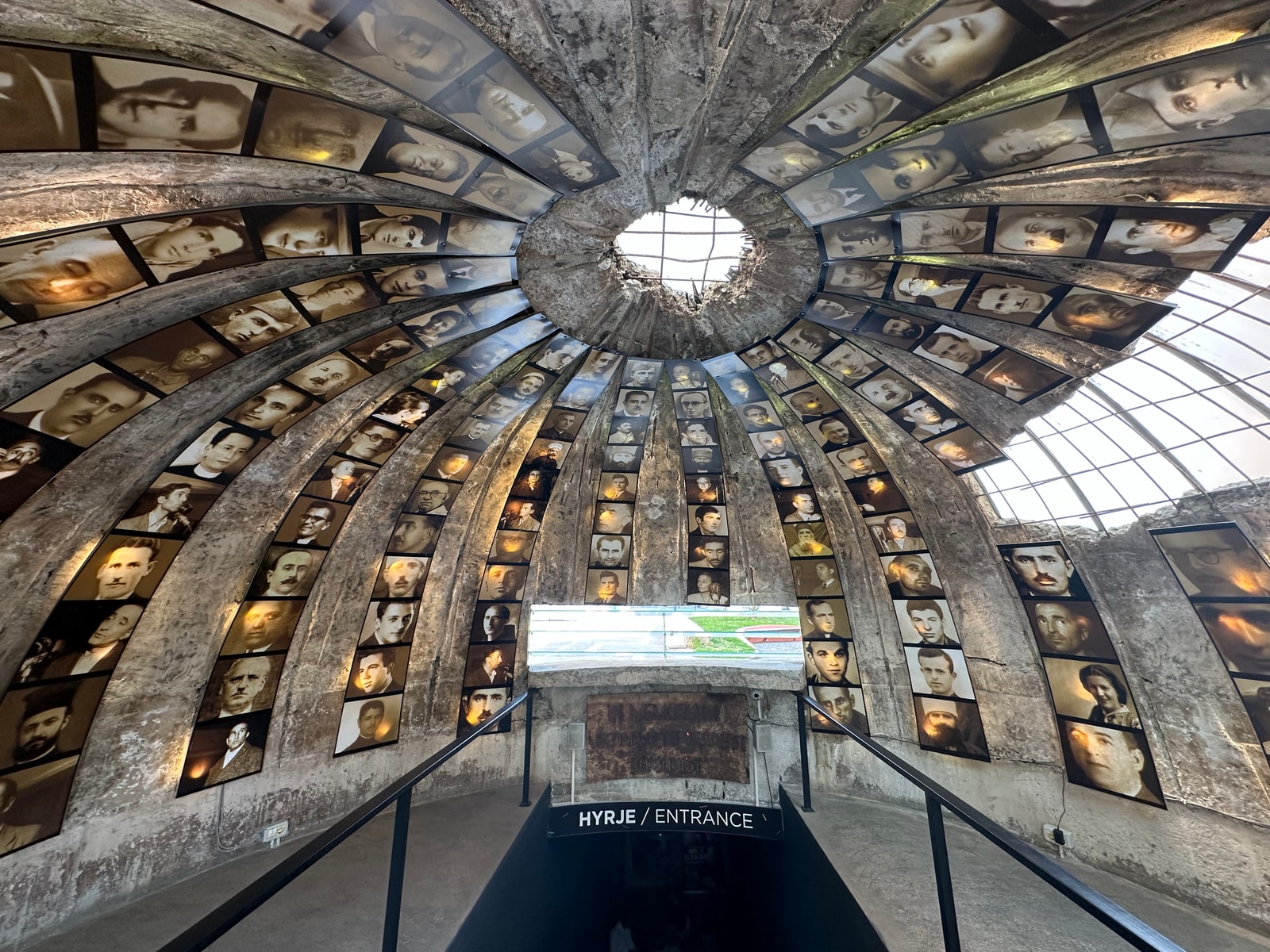
Built in the 1980s under the codename "Objekti Shtylla" (Project Pillar), this subterranean bunker was designed to shelter top-ranking interior ministry officials in the event of a nuclear war or foreign invasion. Spanning 1,000 square meters, the facility comprises 24 rooms protected by reinforced concrete walls up to 2.4 meters thick. It remained a closely guarded state secret long after the fall of the regime, until it was repurposed into a museum in 2015 and officially opened in November 2016.
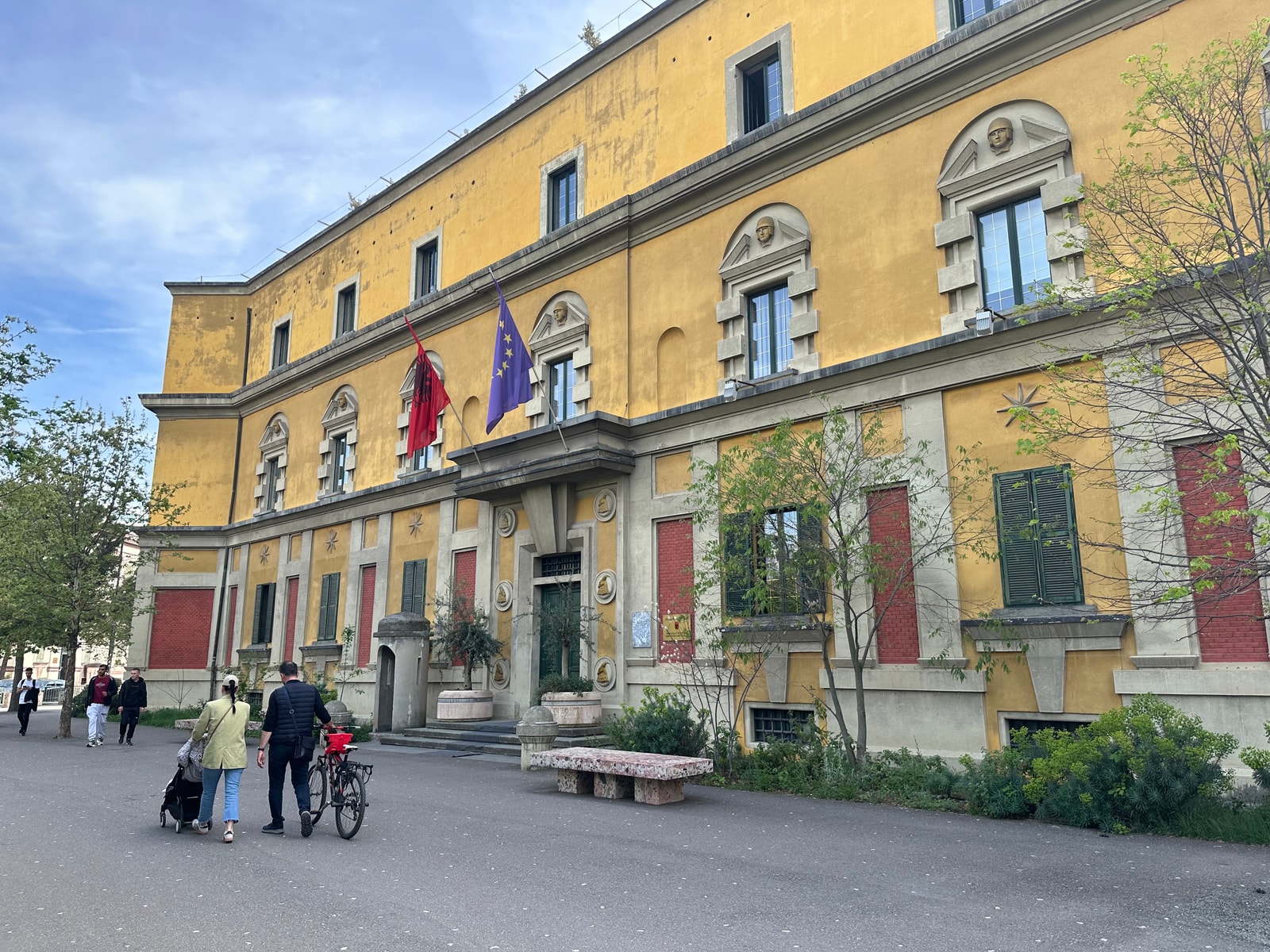
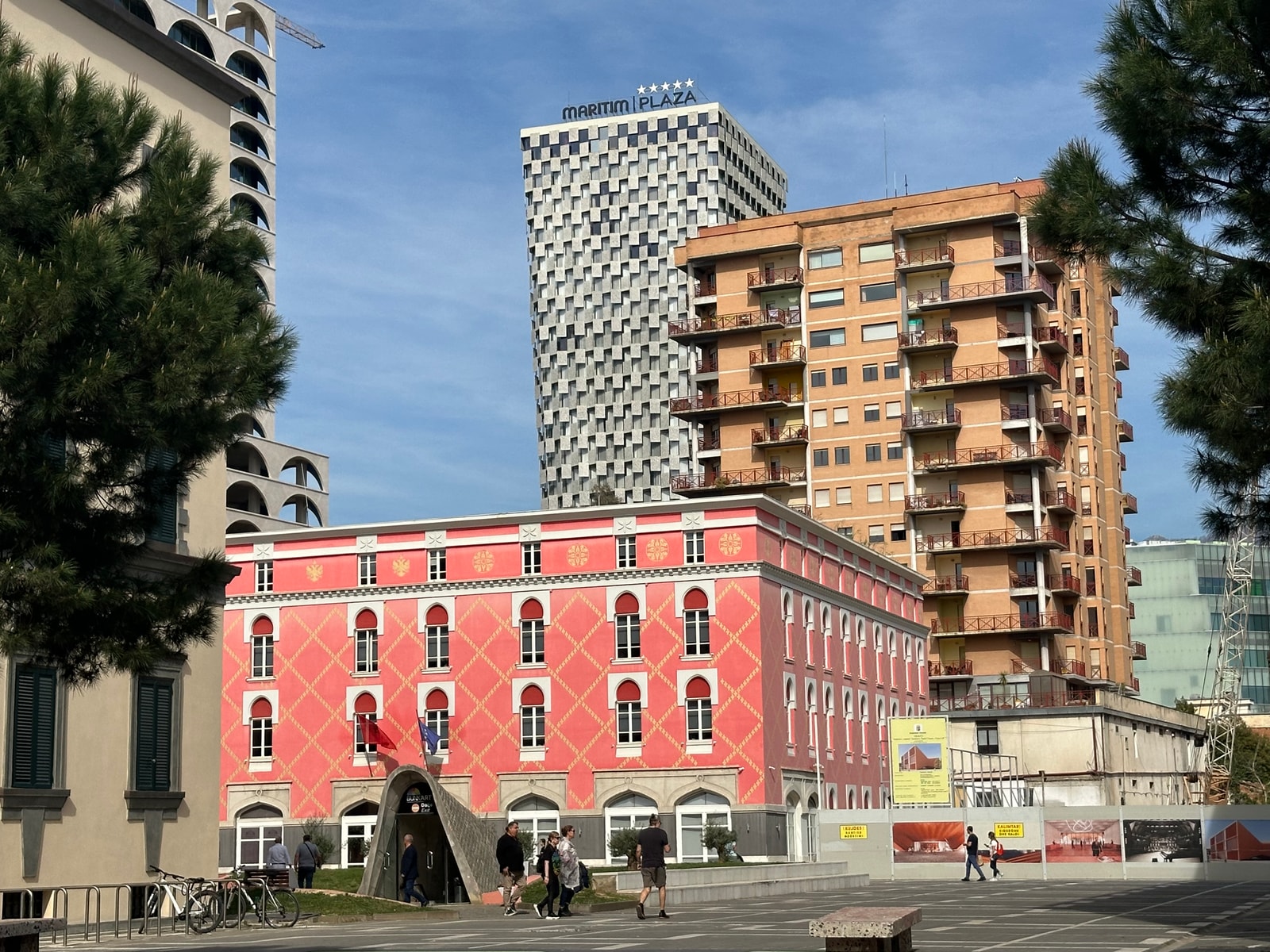
Inside, the dim corridors chronicle the chilling history of the Sigurimi—the notorious secret police of the Hoxha era. Sourced from the national archives, the displays present surveillance equipment, interrogation logs, lists of political prisoners, and an intimate breakdown of how the surveillance apparatus operated.
Moving from room to room, the environment itself speaks volumes: the raw concrete, heavy steel doors, and cold fluorescent lighting perfectly mirror the grim subject matter. Given the underground setting and the weight of the history, it is a sobering, heavy experience, yet profoundly worthwhile. Interestingly, equipment plates and instruction manuals reveal that much of the machinery inside was supplied by China—a nod to a forgotten chapter of history when China provided unprecedented volumes of aid to Albania, offering a rare glimpse into a bygone geopolitical alliance.
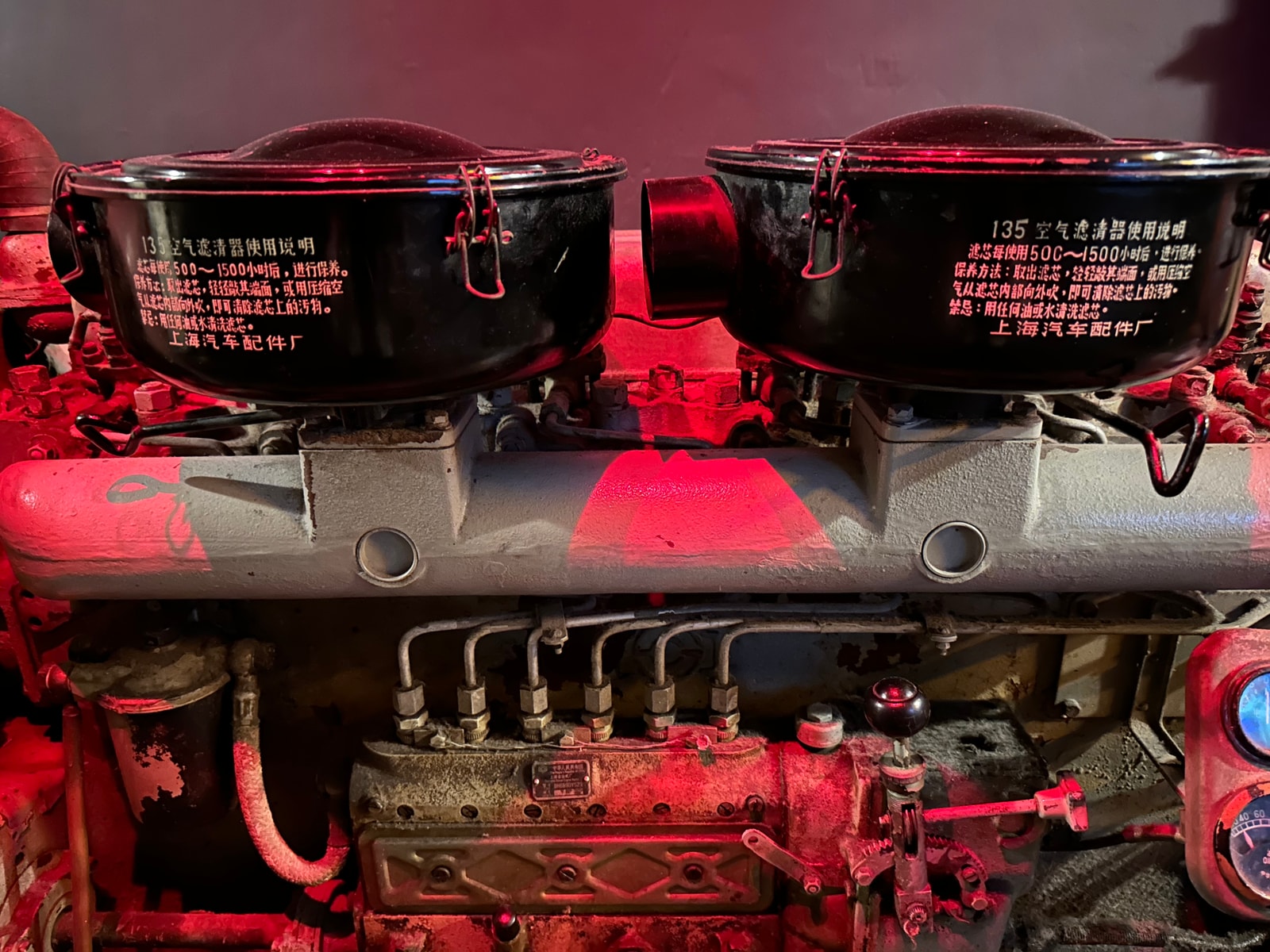
Air filter manufactured by Shanghai Auto Parts Factory
The Pyramid of Tirana
The Pyramid is arguably Tirana's most famous and polarizing architectural landmark.
Opened on October 14, 1988, as a museum dedicated to the legacy of dictator Enver Hoxha, it was designed by a team led by his daughter and son-in-law. Boasting a white marble facade and a sloping, conical structure, its exorbitant construction cost stood in stark contrast to the severe poverty and deprivation endured by ordinary Albanians at the time. Following the collapse of the regime in 1991, the museum was promptly closed, and the building underwent a revolving door of uses: an exhibition center, a television station, a nightclub, a conference venue, and even a NATO base during the 1999 Kosovo War. As decades passed, the marble stripped away and the glass roof leaked, leaving it a derelict, graffiti-covered monolith.
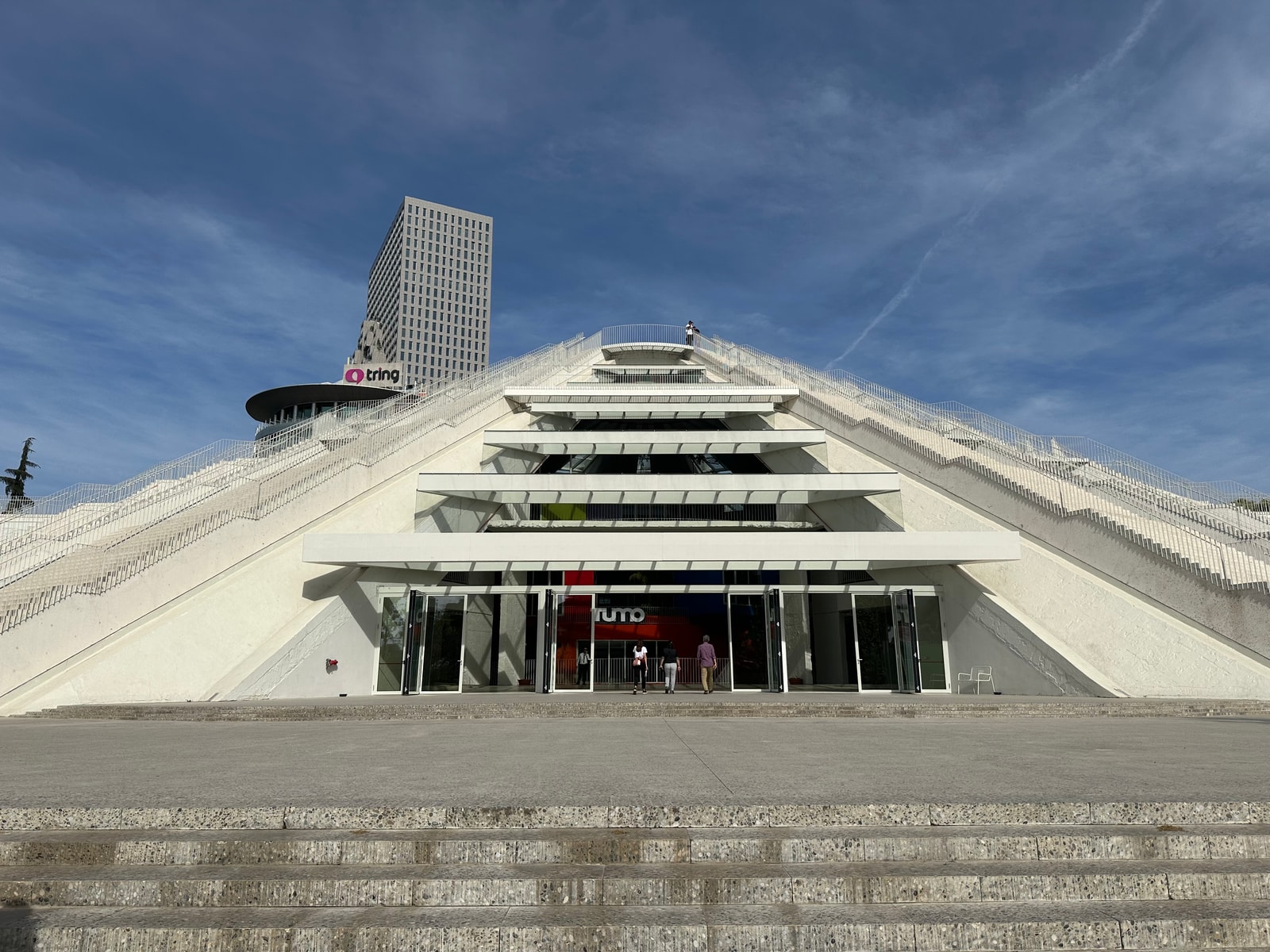
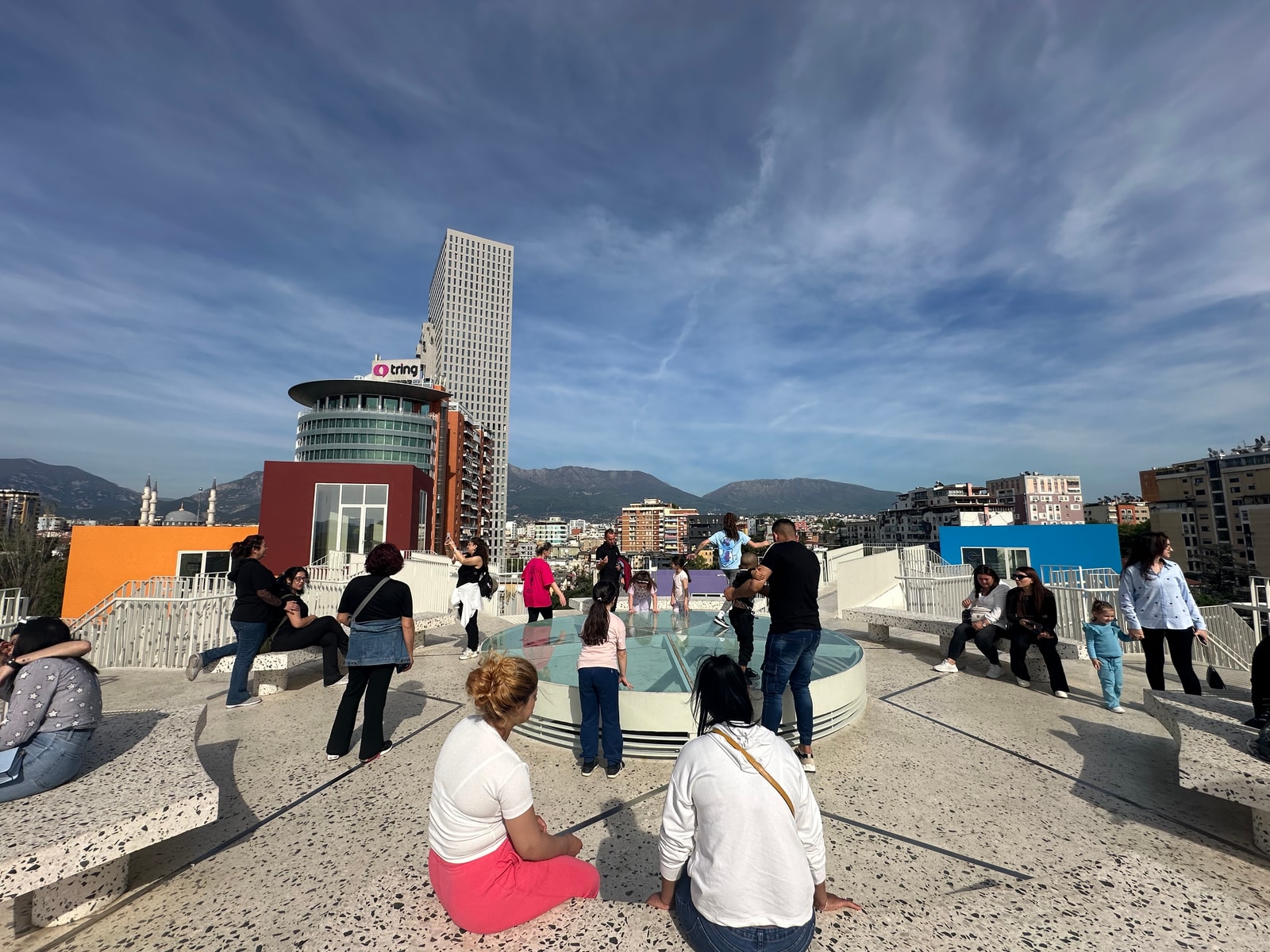
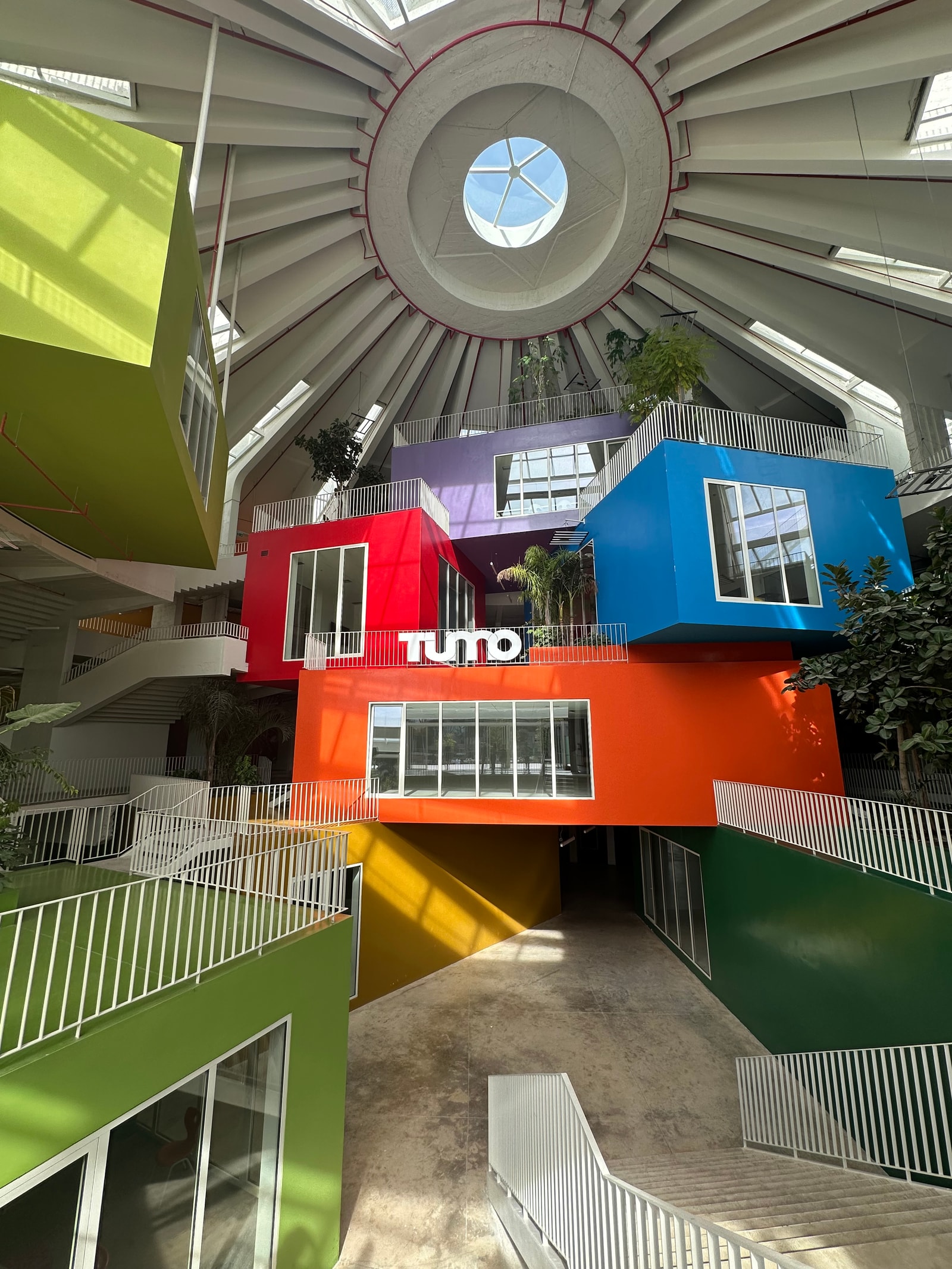
In 2023, the Dutch architectural firm MVRDV completed a brilliant, colorful transformation of the structure. Today, it serves as the TUMO Tirana Center for Creative Technologies, offering free education in coding, robotics, and animation for youths aged 12 to 18.
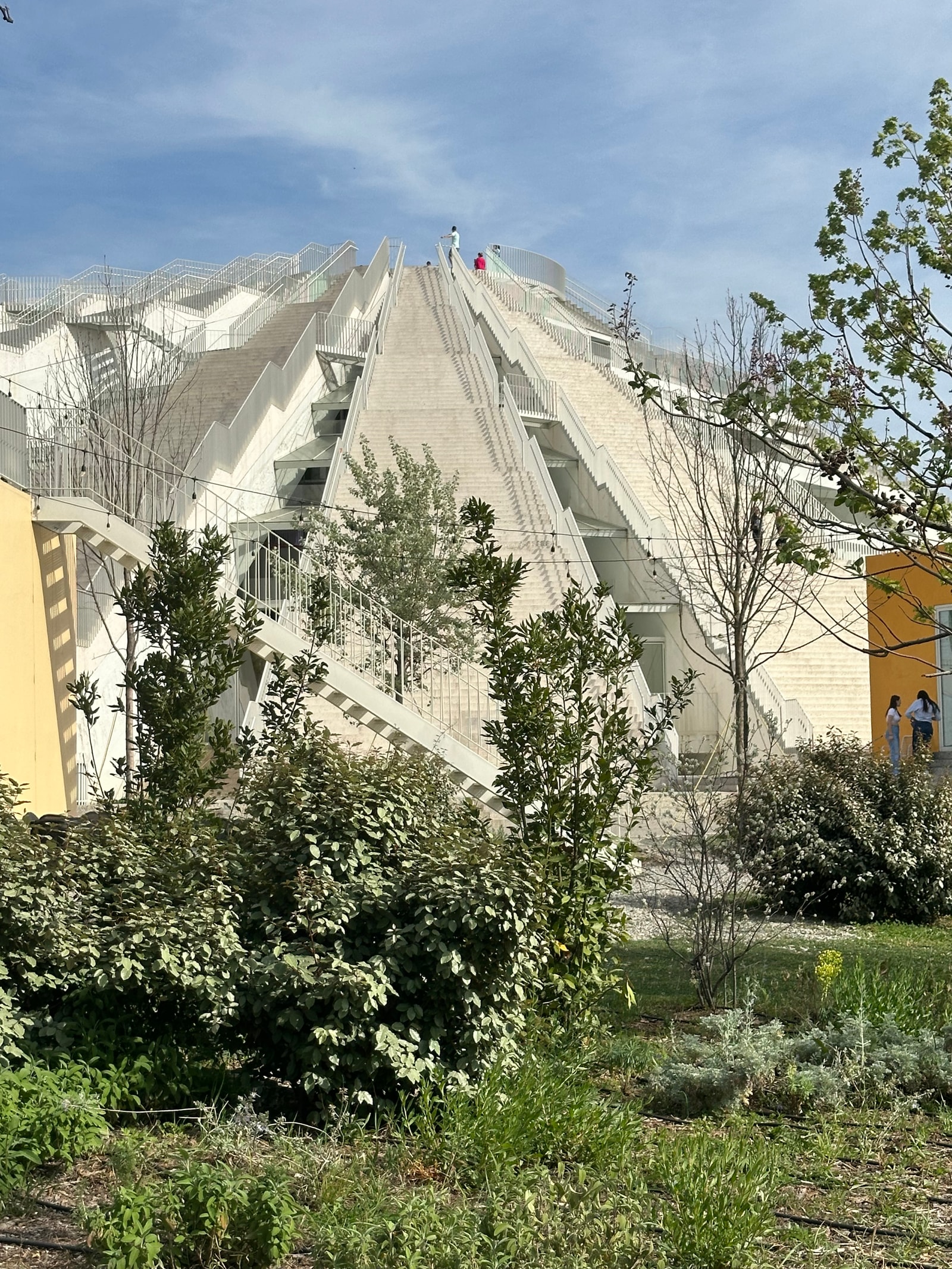
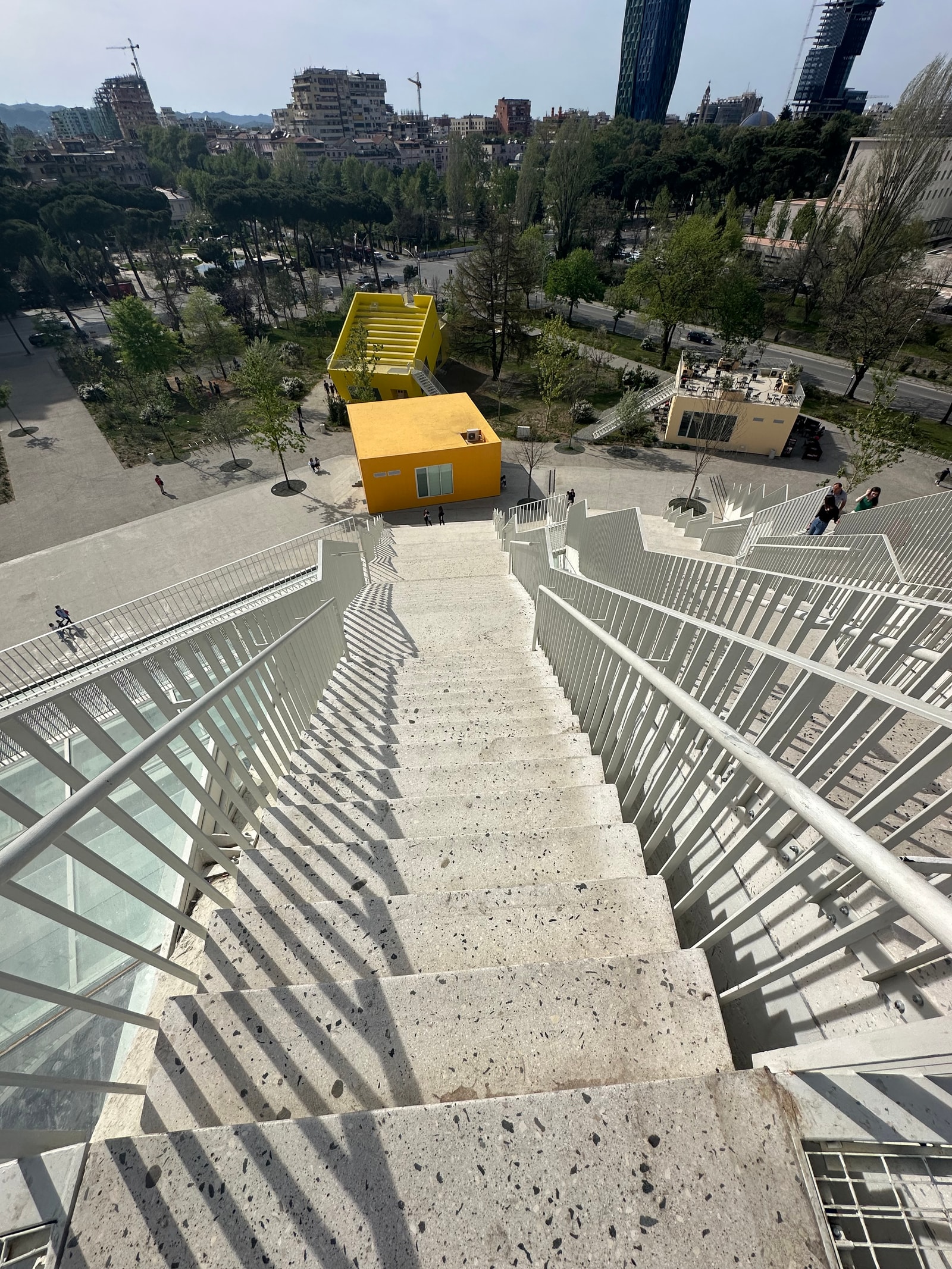
The most ingenious stroke of the redesign is the facade: concrete steps were added to the formerly slippery, smooth slopes, inviting anyone to climb to the roof for a panoramic view of the city. A segment of the original slope has even been preserved to function as a slide. As Winy Maas, founding partner of MVRDV, noted, seeing Tirana's youth climb and swarm the pyramid deeply moved him with its profound symbolism of reclamation and optimism.
Tirana Castle
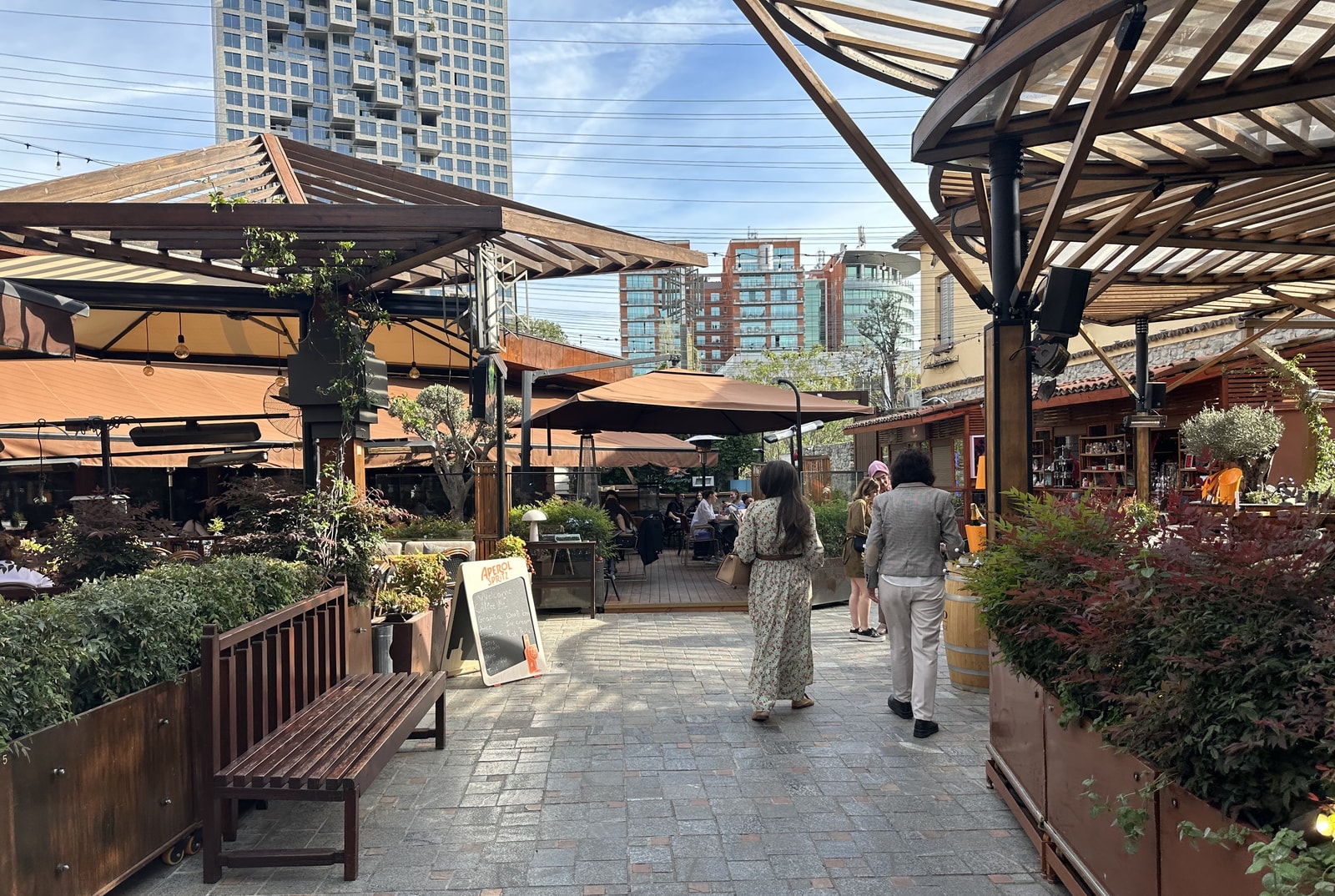
Located about a 5–10 minute walk south of Skanderbeg Square, this historic site lies in the heart of Tirana’s old urban core. The surviving stone walls are commonly believed to date back to the Byzantine period. During the Ottoman period, the area and its surroundings were gradually integrated into the expanding city structure. The original fortifications were likely modified and repurposed over time.
Today, the site has been transformed into the Kalaja e Tiranës cultural and commercial quarter. Its cobblestone pathways are lined with restaurants, cafés, boutique shops, and small art spaces, creating a lively blend of historical atmosphere and modern urban life. Prices are generally slightly higher than in other parts of Tirana, but it remains a popular and rewarding area for a relaxed stroll, even without a specific destination.
Two Cathedrals
In 1967, Enver Hoxha declared Albania the world's first constitutionally atheist state. For over two decades, all churches, mosques, and monasteries were forcibly closed or demolished, and religious practices were strictly outlawed. The city's two main cathedrals stand as symbols of post-communist religious revival:
1. Orthodox Cathedral of Resurrection
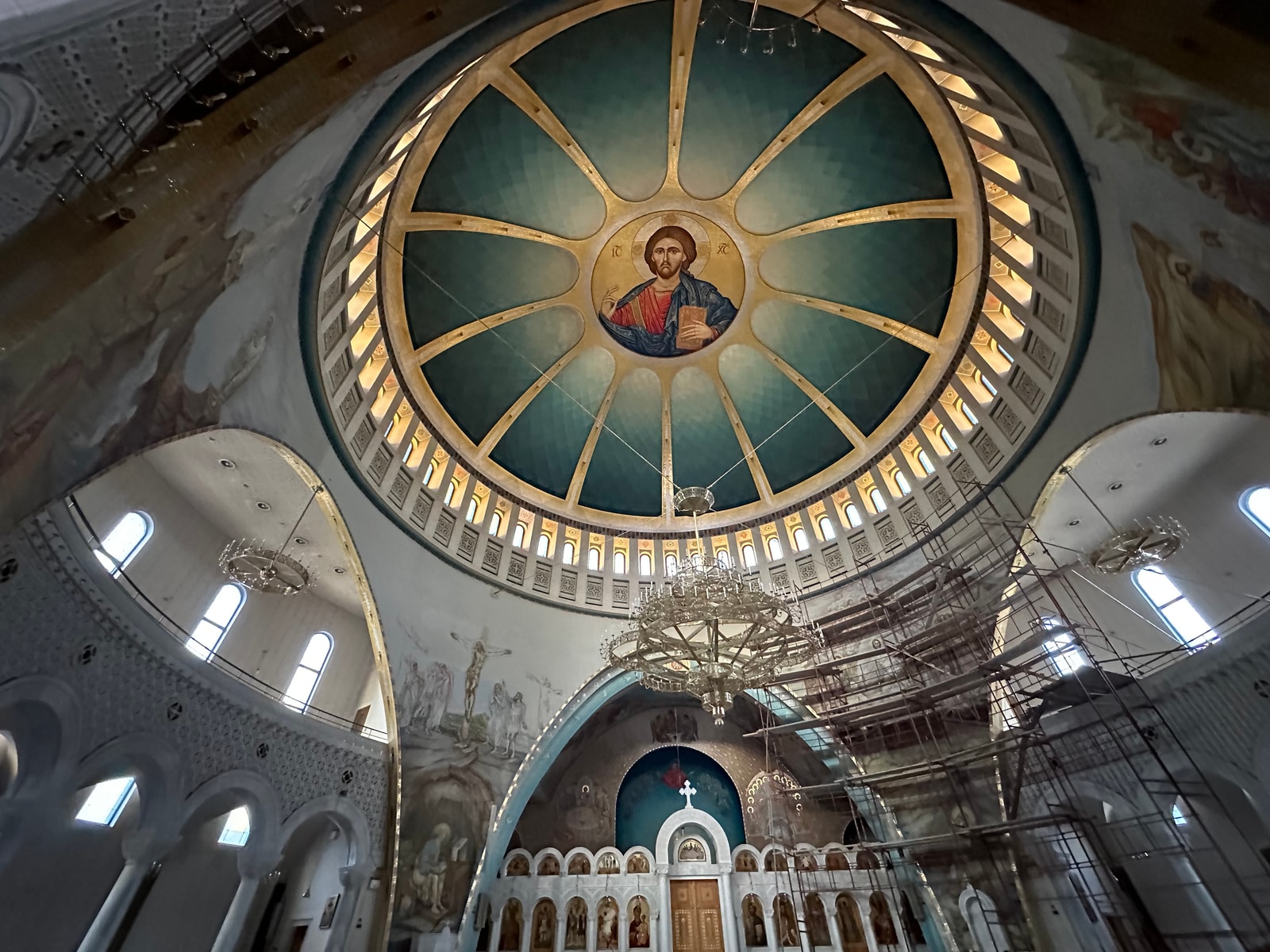
Completed in 2012, this is the third-largest Orthodox church in the Balkans, featuring a 32.2-meter dome and a 46-meter bell tower. Its predecessor was an 1865 cathedral located next to Skanderbeg Square, which was shuttered in 1967 and later razed to make way for an international hotel. The current modern landmark represents a complete architectural resurrection on a new site.
2. St. Paul's Catholic Cathedral
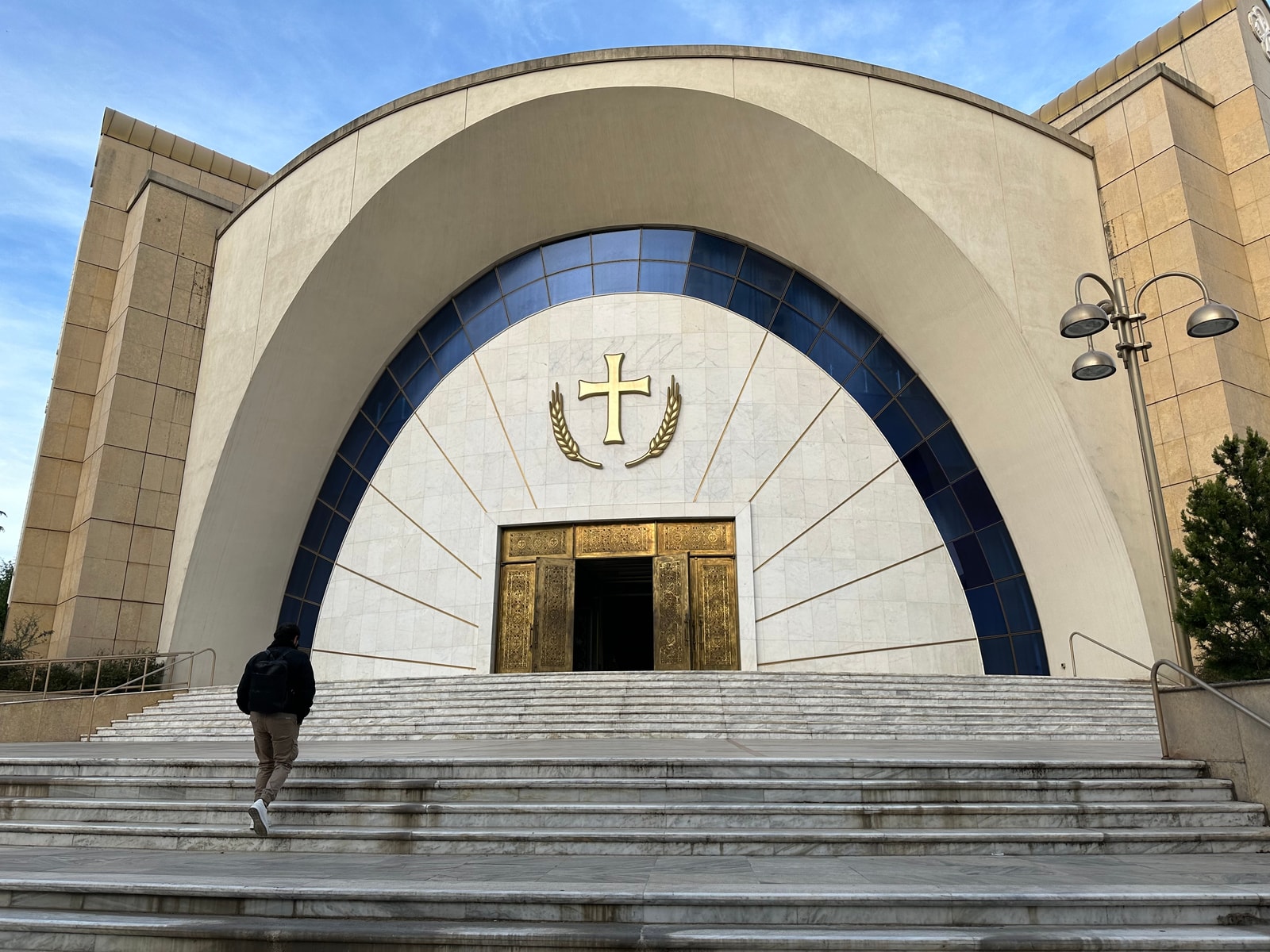
Constructed between 1994 and 2002, this cathedral owes its existence to Pope John Paul II's historic visit to Albania in 1993—the first papal visit following the restoration of diplomatic ties between Albania and the Vatican. To commemorate the occasion, the Albanian government gifted the land to the Catholic Church.
Two Parks
1. Ismail Qemali Park
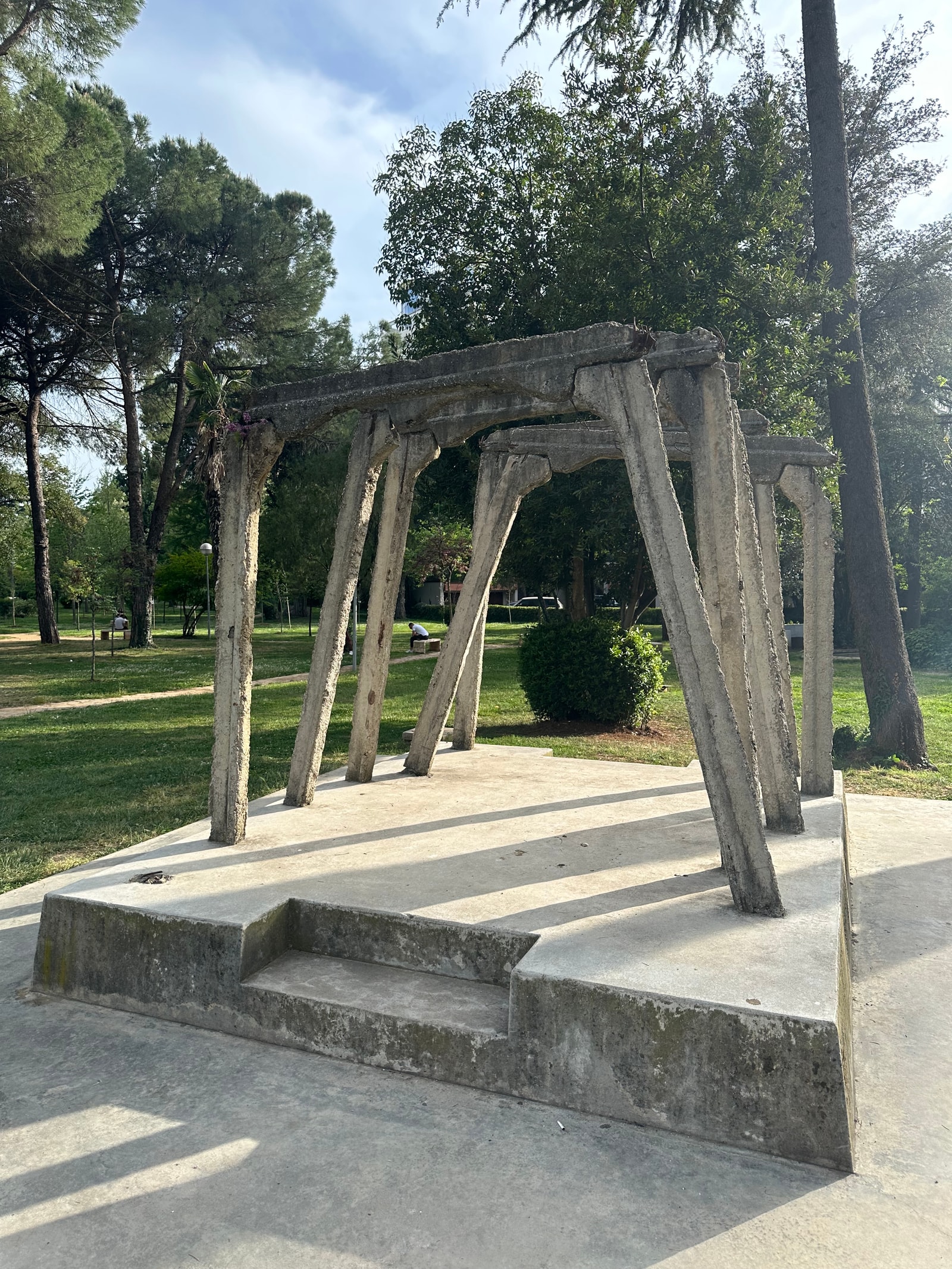
It is a small but historically significant green space in the center of Tirana. Named after Ismail Qemali, the leader who proclaimed Albania's independence in 1912, the park offers visitors a quiet retreat while showcasing important pieces of the country's modern history.
- Monument to Ismail Qemali – A tribute to the statesman widely regarded as the "Father of the Albanian Nation."
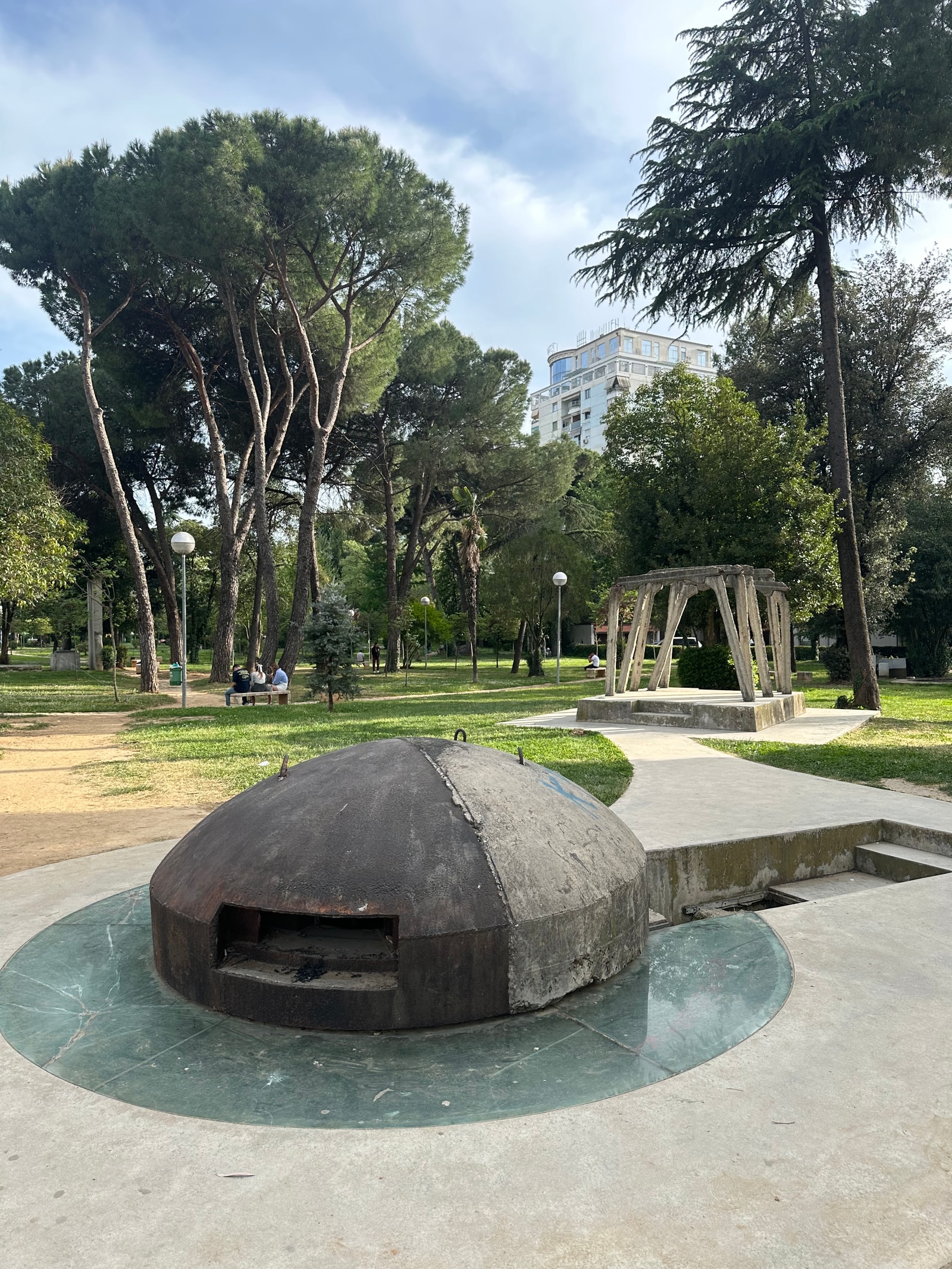
- Communist-era bunkers – Several concrete bunkers remain in the park, reminders of the decades when Albania, under Enver Hoxha's regime, built hundreds of thousands of defensive structures across the country.
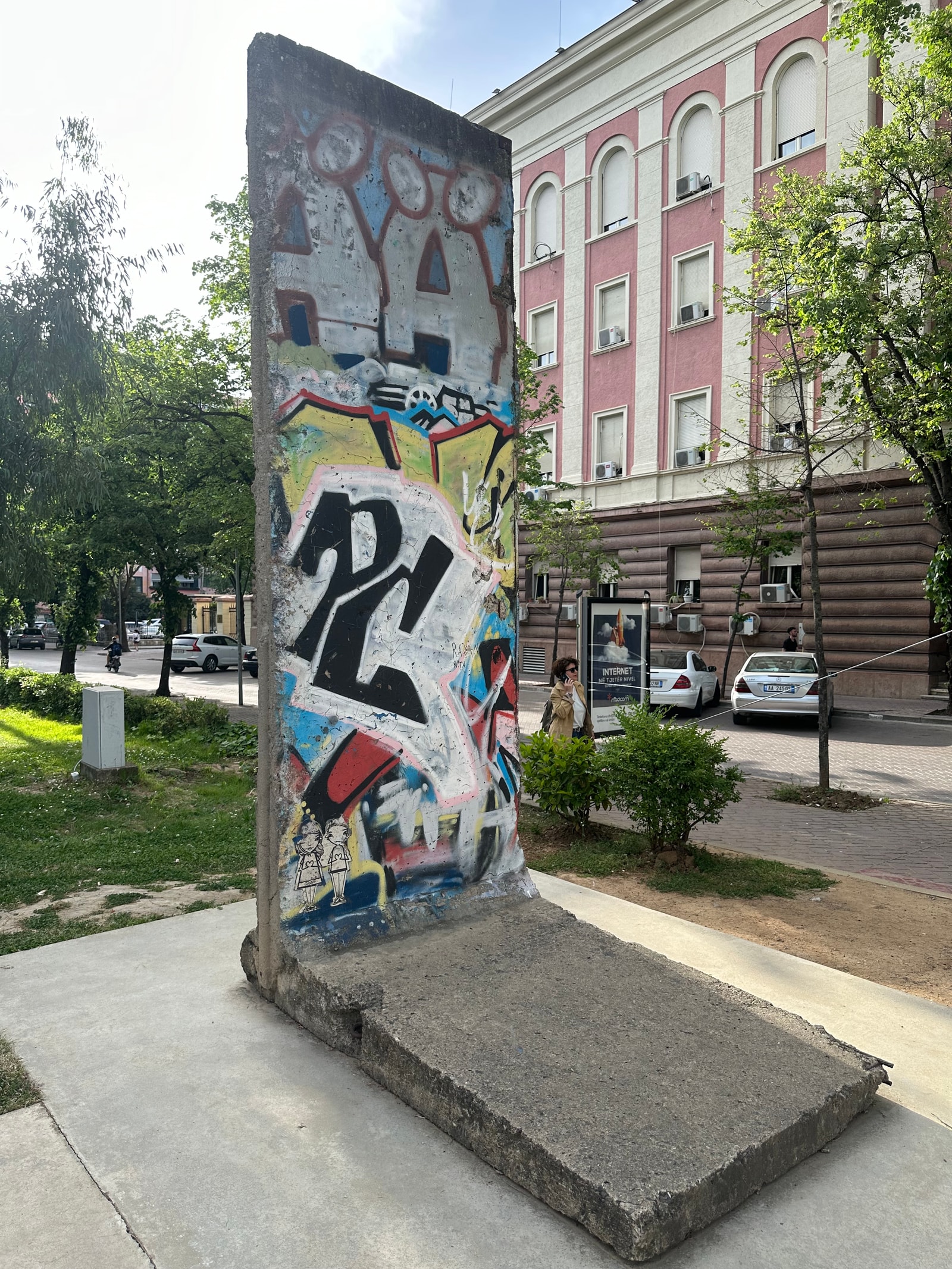
- A section of the Berlin Wall – One of the park's most unexpected attractions is a preserved fragment of the Berlin Wall, symbolizing the end of communist divisions in Europe.
- Gardens and walking paths – Shaded pathways, benches, and landscaped lawns make the park a popular place for locals to relax, read, or take a short break from the city's busy streets.
2. Tirana's Grand Park (Parku i Madh)
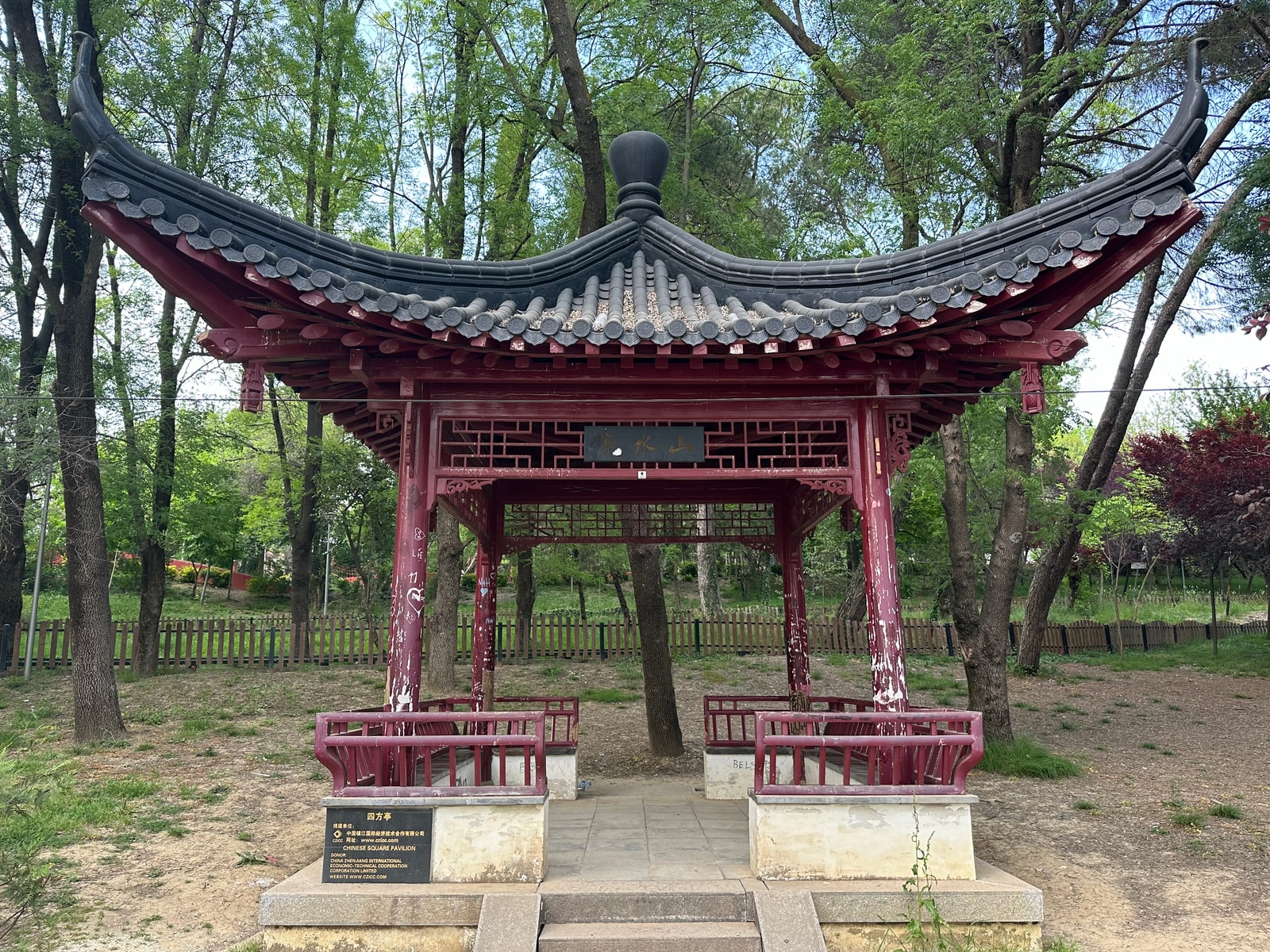
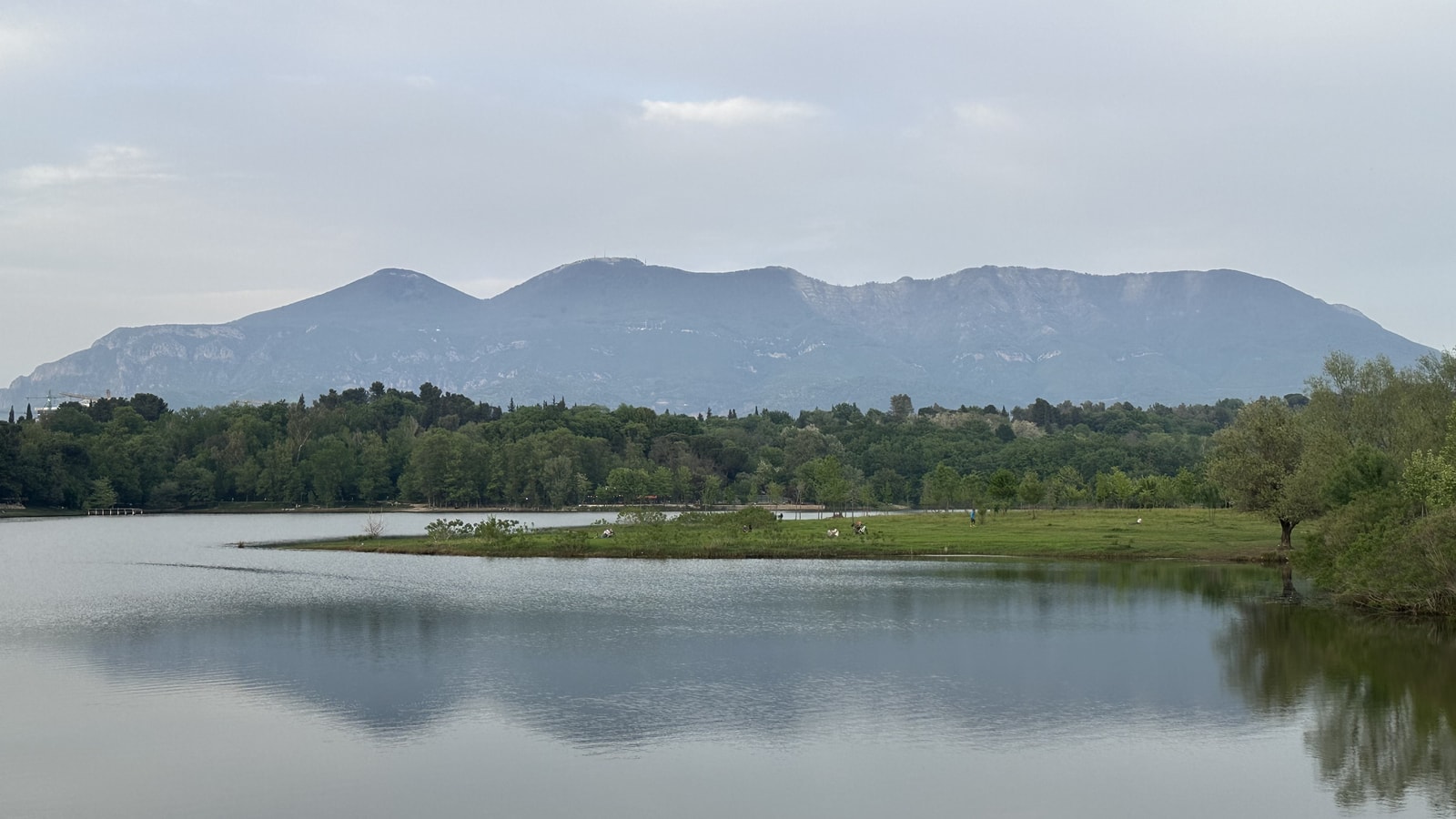
This is the biggest and most popular green space in Tirana, located 15-minute south of the city center. While it might not have the grand imperial architecture of parks in London or Paris, its real charm is the vibrant local life. It is centered around a massive artificial lake and serves as the city’s green lungs.
-
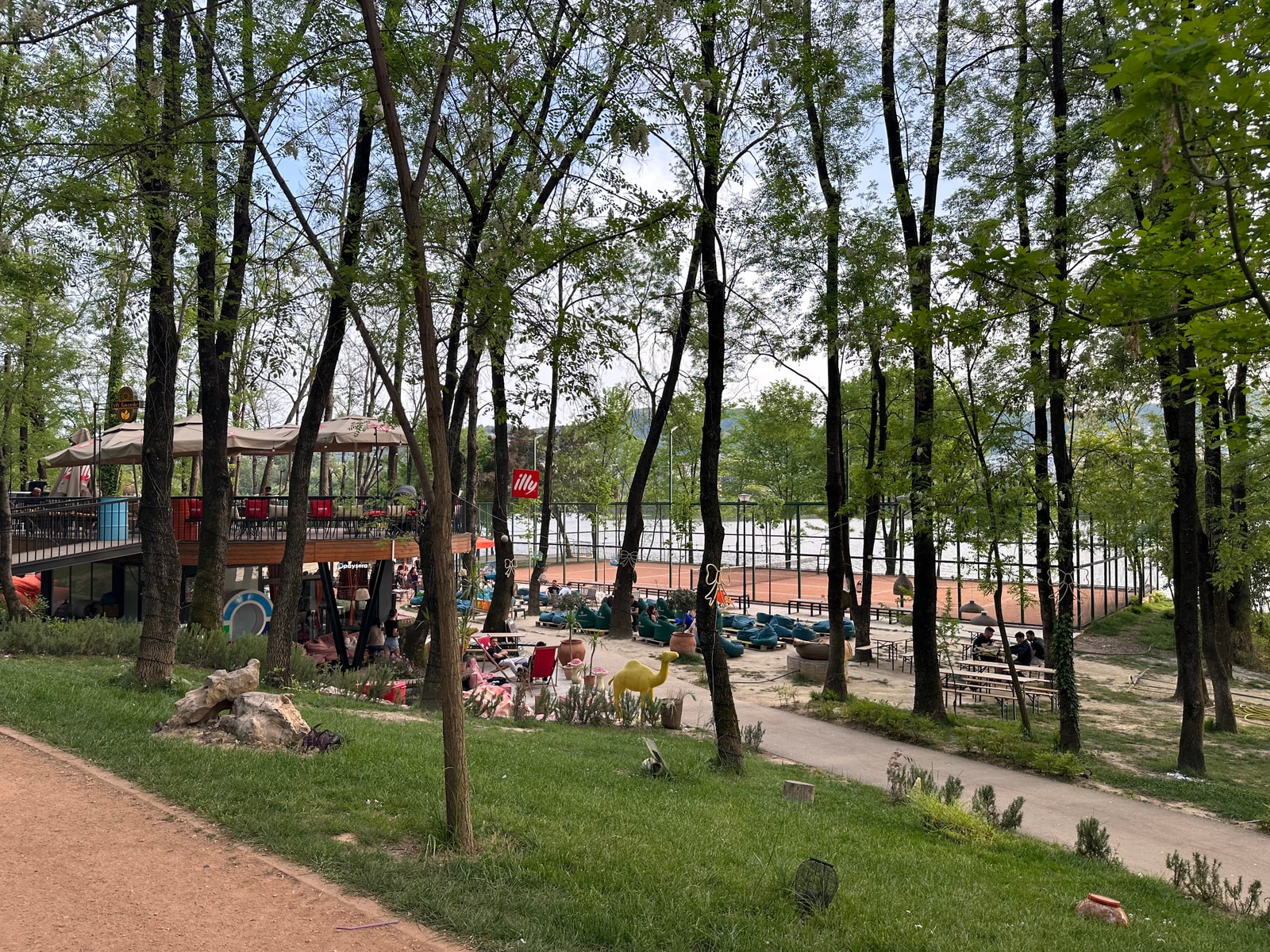
The Artificial Lake The heart of the park is this huge lake, wrapped in a 5-kilometer paved path. It is the go-to spot in Tirana for jogging, cycling, or just taking a leisurely stroll while enjoying the water views.
-
The Open-Air Amphitheater Tucked away in the trees is a large outdoor theater. During the spring and summer, it comes alive with live concerts, theater performances, and movie nights under the stars.
-
Lakefront Cafes and Restaurants You can't have an Albanian hotspot without great coffee. The edges of the park are lined with lovely cafes and restaurants where you can grab a macchiato, sit right by the water, and just people-watch.
-
Historical Tombs and the Presidential Palace If you explore the deeper, more forested paths, you'll stumble upon the Presidential Palace (Palace of Brigades) and several quiet monuments, including a memorial for British and Commonwealth soldiers from WWII.
Thanks for reading! Blogging is hard work, and your support keeps me going. If this post was helpful, you can buy me a coffee below to support my ongoing travels. Highly appreciate it! 👇
